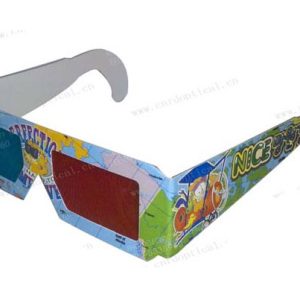
In an era dominated by digital screens, augmented reality, and advanced stereoscopic systems, the charm of classic anaglyph 3D technology remains alive thanks to simple yet effective products like the Modern Group Anaglyph Red Cyan 3D Glasses offered by rdoptical.com. These glasses serve as an affordable entry point into the world of 3-dimensional imagery, combining nostalgic appeal with practical use for entertainment, education, and creative applications.
What Are Red-Cyan Anaglyph Glasses?
Red-cyan anaglyph glasses are a form of passive 3D eyewear that dates back to the early days of stereoscopic media. They contain two differently colored lenses — typically:
-
Red for the left eye
-
Cyan (a mix of green and blue) for the right eye
When viewing specially prepared images or videos, each eye sees a slightly offset version of the content, filtered by the colored lenses. This separation creates a stereoscopic effect, giving the viewer a sense of depth and immersion.
Unlike high-end 3D solutions that rely on active shutter systems or polarized light, red-cyan glasses work without batteries or special displays — all they need is content formatted in the anaglyph 3D style.
Features & Benefits
1. Simple, Lightweight Design
These glasses are built to be comfortable and lightweight, making them ideal for extended 3D viewing sessions — whether it’s movies, games, or printed images.
2. Broad Compatibility
They are compatible with any anaglyph-formatted content viewed on TVs, computer screens, projectors, or even printed materials like books and posters.
3. Affordable & Accessible
Compared to modern 3D eyewear that can cost hundreds of dollars, red-cyan glasses represent one of the most economical ways to experience 3D visuals. Their simplicity also makes them ideal as promotional giveaways or educational tools.
4. No Power Required
Since they rely purely on optical filtering, there’s no need for charging, batteries, or sync signals. This also makes them highly portable and maintenance-free.
How They Work
The anaglyph method overlays two images of the same scene in different colors — one tinted red and the other cyan. When viewed through the glasses:
-
The red lens filters out the red image, so only the cyan image is seen by that eye.
-
The cyan lens filters out the cyan image, so only the red image is seen by that eye.
This separation tricks the brain into perceiving depth, simulating a 3D effect.
Applications Beyond Entertainment
While these glasses excel at enhancing 3D movies and games, their uses stretch beyond entertainment:
-
📚 Education: Teachers use them to demonstrate depth in subjects like anatomy or geography.
-
🖼 Art & Design: Artists create striking anaglyph artwork that pops in three dimensions.
-
📣 Marketing: Eye-catching promotional materials use 3D effects to draw attention.
Limitations to Consider
Despite their advantages, anaglyph glasses have some limitations:
👉 Color distortion — The color filtering can affect true color perception, making visuals appear less vivid than the original.
👉 Content requirement — They only work with media formatted specifically for red-cyan 3D.
👉 Visual fatigue — Extended use can cause mild discomfort for some viewers if the content isn’t well aligned or if one eye is stronger than the other.
Conclusion
The Modern Group Anaglyph Red Cyan Glasses from rdoptical.com capture the essence of classic 3D technology in a lightweight and budget-friendly package. While modern 3D techniques continue to evolve, these glasses offer timeless simplicity — perfect for casual viewers, educators, artists, and anyone intrigued by the magic of three-dimensional visuals.
Comments
Post a Comment